Cora: A Font That Brings Joy to Every Design Project
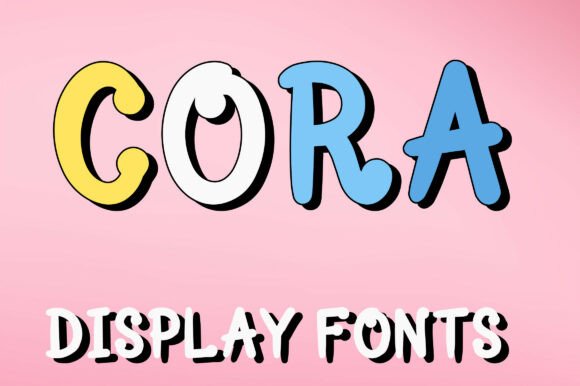
Sometimes you need a typeface that does more than just present information—you need one that makes people smile. That’s exactly the energy Cora brings to the table. This playful display font has a cute cartoon style with handcrafted charm, featuring thick rounded strokes, soft bubbly curves, and fun curled details that create an instantly friendly and eye-catching look. Whether you’re designing for kids, families, or anyone who appreciates a touch of whimsy, Cora offers a sweet and memorable visual voice that stands out in a crowded design landscape.
What Makes This Playful Typeface So Visually Appealing?
Cora’s personality comes from its carefully crafted details. The uppercase letterforms feature bold shadow effects that add depth without feeling heavy, while the rounded shapes keep everything approachable. There’s a sense of movement in those curled terminals and bubbly curves—it feels like the letters are almost dancing on the page. This isn’t a font that tries to be serious or corporate; it embraces its cheerful nature fully, making it perfect for projects where warmth and playfulness are essential.
From a practical standpoint, Cora includes uppercase letters A through Z and numbers 0 through 9, giving you enough character range for most headline and display needs. The consistency across all glyphs means you can mix and match letters without worrying about visual clashes. It’s the kind of typeface that works hard while still looking effortless—a quality that busy designers and small business owners really appreciate.
Where Cora Truly Shines: Real-World Applications
Let’s talk about where this font can actually make a difference in your projects. If you’re working on branding for a children’s product, Cora immediately communicates fun and safety. Imagine it on packaging for organic kids’ snacks or on the logo for a family-friendly event—it sets the right tone before anyone reads a single word. The font’s bold presence means it works beautifully at larger sizes, making it ideal for posters, party invitations, and signage where you need impact from a distance.
For social media graphics, Cora is a game-changer. In the endless scroll of feeds, its bubbly curves and shadow effects naturally draw the eye. Use it for Instagram story templates, Pinterest pins, or Facebook ads promoting family-oriented services. It’s particularly effective for creating consistent branded templates that maintain your visual identity across platforms. The font’s playful character also makes it perfect for stickers, merchandise, and digital products like printable worksheets or activity books.
Beyond kid-focused projects, consider how Cora could work for creative businesses with a friendly, approachable brand voice. A bakery with whimsical branding, a craft supply shop, or even a pet grooming service could use this font to reinforce their personality. It’s all about matching the typeface to your brand’s emotional tone—if your business makes people happy, Cora helps communicate that visually.
Practical Tips for Using Cora Effectively
Choosing the right font style is only half the battle; using it well is what makes the real difference. Start by considering your project’s goals. Cora works best as a headline or display font—pair it with a clean, simple sans-serif for body text to maintain readability. Think of Cora as your attention-grabber and let other fonts handle the heavy lifting of longer paragraphs.
Testing font pairings is crucial. Try combining Cora with something like Open Sans, Lato, or Montserrat for body copy. The contrast between Cora’s playful personality and a neutral sans-serif creates visual hierarchy without feeling chaotic. For projects where you want to maintain that friendly feel throughout, consider pairing it with a slightly rounded sans-serif that shares some of its warmth without competing for attention.
Readability considerations matter more than you might think with display fonts. While Cora is designed to be legible at larger sizes, always test your designs at actual viewing distances. Will people be reading this from across a room? On a small mobile screen? Adjust spacing and size accordingly. The font’s bold weight helps with visibility, but proper contrast against backgrounds remains essential—light text on light backgrounds won’t work, regardless of how charming the typeface is.
Integrating Cora Into Your Design Workflow
When you invest in a premium font like Cora, you’re adding a valuable design asset to your toolkit. Take time to review all the included styles and characters before starting projects. Understanding exactly what’s available—like those bold shadow effects and curled details—helps you use the font to its full potential. Some designers create a reference sheet with all the characters displayed at different sizes, which speeds up the design process significantly.
Commercial licensing is another practical consideration. If you’re using Cora for client work, merchandise, or digital products you sell, make sure your license covers those uses. Most reputable font foundries offer clear licensing tiers—desktop, web, app, and server licenses—so you can choose what fits your needs. This isn’t just about legal compliance; it’s about supporting the designers who create these tools we rely on.
Think about how Cora fits into your broader design system. If you’re building a brand identity, document how and where to use it alongside your other typefaces. Maybe it’s reserved for product names and special announcements, while your primary typeface handles everything else. This kind of consistency strengthens brand recognition and makes your designs look more professional, even if you’re a one-person operation.
Beyond the Obvious: Creative Uses You Might Not Have Considered
While Cora excels in traditional applications like posters and invitations, don’t be afraid to experiment. Its playful character could work beautifully in editorial design for lifestyle magazines or blogs targeting parents. Imagine a blog header for a parenting site or chapter headings in a children’s activity book—the font adds personality without overwhelming the content.
For web design, Cora can create memorable moments. Use it for 404 error pages that make visitors smile instead of frustrated, or for call-to-action buttons where you want to add warmth. It’s particularly effective for landing pages promoting family activities, children’s products, or creative services. Just remember to use it strategically—too much of a good thing can become overwhelming.
Digital products offer another exciting avenue. If you create and sell printable planners, worksheets, or educational materials, Cora could become part of your signature style. Customers start recognizing your products by their visual language, and a distinctive typeface plays a big role in that recognition. It’s about creating a cohesive experience that extends beyond the product itself.
The real value of a font like Cora lies in its ability to communicate emotion instantly. In a world where we’re bombarded with visual information, having a typeface that makes people pause and feel something is incredibly powerful. Whether you’re a designer looking to expand your toolkit, a small business owner building your brand, or a content creator wanting to stand out, Cora offers a specific, joyful energy that’s hard to fake with more neutral typefaces. It’s not just about looking good—it’s about feeling right for your project and your audience.