Bryan Font: A Bold Display Typeface for Unforgettable Branding
Sometimes a design project needs more than just a readable typeface. It needs a statement. It needs a visual anchor that pulls the eye and refuses to let go. This is where a character like Bryan enters the picture. It’s not a font for lengthy paragraphs of text; it’s a premium font crafted for those moments when you want your words to have weight, personality, and an undeniable artistic presence. If you’ve ever struggled to find a typeface that feels both creatively expressive and professionally solid, understanding what a display font like this offers could be the key to unlocking your next project’s potential.
Understanding the All-Caps Personality
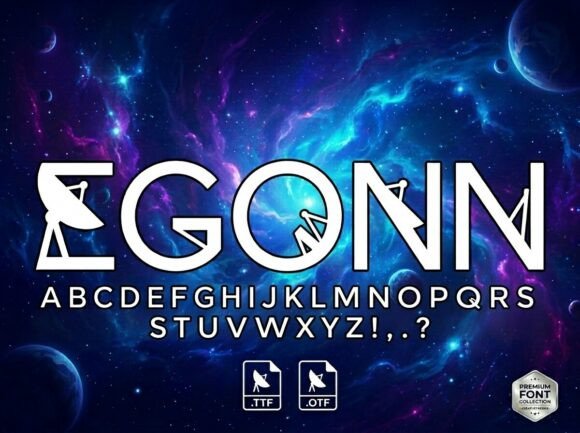
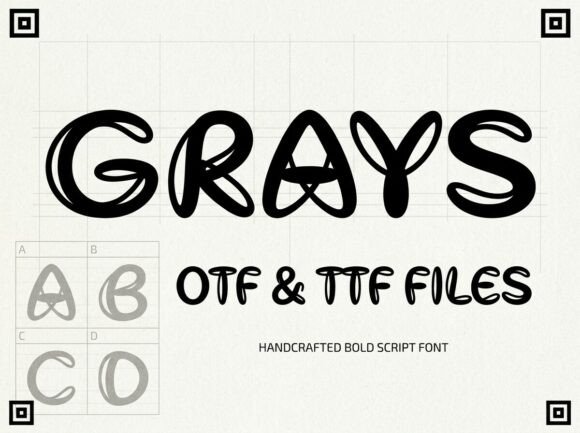
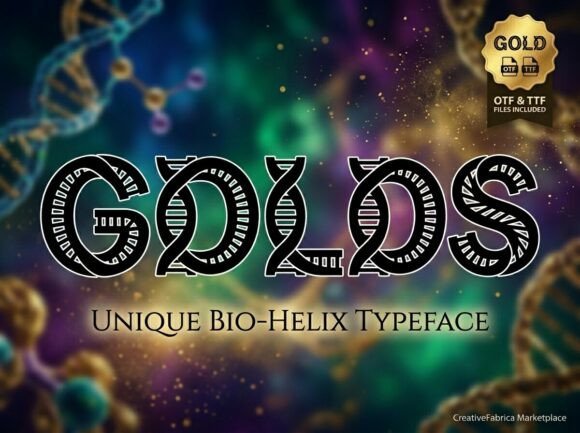
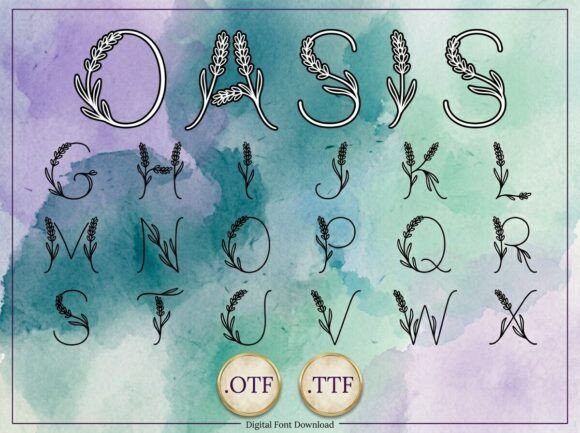
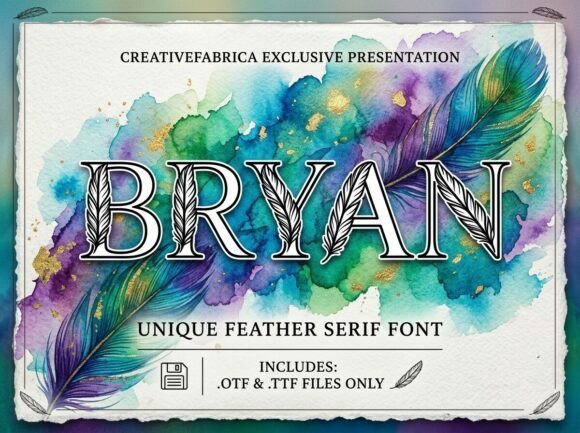
Let’s be clear from the start: Bryan is an all-caps typeface. This is a crucial detail that shapes its entire purpose. It doesn’t have lowercase letters, and that’s by design. Every single character is built to be a miniature work of art, designed for impact. Think of it as the typographic equivalent of a bold headline or a striking logo mark. Its strength lies in its ability to command attention in short bursts.
This makes it a powerful tool for specific tasks. Where a sans serif font or a serif font might be used for body copy, Bryan is meant for the elements that need to stand out at a glance. Its unique artistic elements and strong visual personality make it ideal for creators who want to break away from the ordinary. The professional finish ensures that even with its decorative flair, it never looks cheap or amateurish.
Where This Creative Font Truly Shines
So, how do you put a typeface like this to work? Its versatility across different mediums is one of its biggest strengths. Here’s a practical look at where Bryan can elevate your work:
- Logo Design & Brand Identity: A logo design needs to be memorable. Bryan’s distinct letterforms can form the core of a brand mark that stands out in a crowded market. It’s excellent for crafting a brand identity that feels bold, artistic, and confident.
- Packaging Design: On a shelf or in an online store, packaging has seconds to make an impression. Using this font for product names or key descriptors on labels and boxes adds instant visual interest and a premium feel, perfect for packaging design in food, cosmetics, or boutique goods.
- Social Media Graphics & Marketing: In the fast-scroll world of Instagram, Facebook, or Pinterest, you need graphics that stop thumbs. Bryan is perfect for creating eye-catching quote graphics, sale announcements, or campaign headlines. It’s a go-to for social media graphics and other marketing assets.
- Posters & Event Invitations: For music posters, event flyers, or wedding invitations, the font sets the tone immediately. Its decorative nature makes it a star player in editorial design for special features or in creating stunning invitations that guests will remember.
- Website Headers & Blog Titles: While you wouldn’t use it for an entire blog post, a font like Bryan can make website headers, section titles, or featured blog post titles pop. Paired with a clean web design layout, it adds a layer of sophistication and creative energy.
- Merchandise & Digital Products: From t-shirt designs to mug prints, or even the title slides of a digital course, this typeface helps create design assets that look professional and sellable. It’s a valuable asset for any creator selling digital products.
Practical Tips for Pairing and Readability
Using a powerful display typeface effectively requires a bit of strategy. Because Bryan is so visually dominant, it’s rarely meant to stand alone in a layout with other text. The art is in the pairing.
The golden rule is contrast. Pair Bryan with a simple, highly readable font for supporting text. A clean sans serif font like Montserrat or Lato often works beautifully, providing a calm, professional counterbalance to the energy of the display font. If your project leans more traditional or editorial, a classic serif font like Georgia or Lora can create an elegant and balanced composition.
Always consider readability. Since Bryan is all-caps, it’s best used for short phrases, titles, and headers. Avoid setting long sentences or paragraphs in it, as all-caps text is inherently harder to read in large blocks. Test your font pairings at the actual size they’ll be used—what looks good on your screen might need adjustment for a printed poster or a small mobile screen.
Before you purchase, review the included files. Bryan comes in both OTF and TTF formats, ensuring compatibility whether you’re working in advanced design software like Adobe Illustrator or InDesign, or in more common applications. Understanding these font styles and formats is a simple but important part of the process.
Making the Right Choice for Your Project
Choosing a creative font is a blend of personal taste and project requirements. Ask yourself: What is the goal of this design? Who is the audience? If you’re aiming for a brand that feels modern, artistic, and unapologetically bold, a typeface like Bryan is worth serious consideration. It’s a commercial font built for high-impact work.
Think about the message you want to send. A handwritten font or script font might convey whimsy and personal touch, while Bryan communicates strength and contemporary style. It fits into the realm of modern typography that values strong visual personality.
Finally, a note on licensing. Since it’s a commercial font, ensure you understand the license for your intended use, whether it’s for a personal blog, client work, or products for sale. Investing in the right license is part of building a professional and ethical design practice.
In the end, a typeface is a tool. Bryan is a specialized tool designed for one job: to make your most important words impossible to ignore. Used thoughtfully, it can become a cornerstone of your visual communication, helping you build stronger brand recognition and connect with your audience on a more visceral level. It’s not for every line of text, but for the moments that matter most, it delivers exactly what it promises.