Foamy: The Decorative Display Font for Bold Creators
There are typefaces that whisper, and then there are typefaces that command the room. Foamy belongs firmly in the latter category. This isn't just another font; it's a visual statement piece, a decorative display typeface engineered for moments when subtlety isn't on the agenda. If you've ever found yourself scrolling through font libraries, searching for something with genuine personality—something that feels like art rather than just a collection of letters—then understanding what Foamy offers is essential for your next creative project.
A Typeface with Unmistakable Character
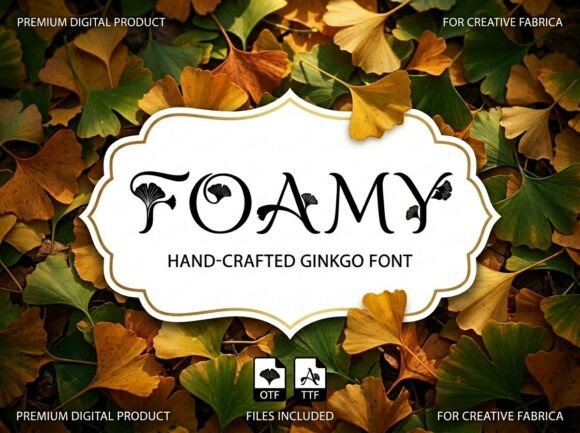
What immediately sets Foamy apart is its artistic flair. The letterforms are crafted with unique elements that give each character a sculptural, almost tangible quality. Think of it as the typographic equivalent of a signature piece of jewelry for a design. It’s designed to be the center of attention, making it a powerful tool for anyone looking to break away from the ordinary. This strong visual personality means it communicates confidence and creativity at a glance, which is precisely what you need when your goal is to make an immediate impact.
It's crucial to understand its specific design nature: Foamy is an all-caps display typeface. This means it contains only uppercase letters, a deliberate choice for high-impact scenarios. You wouldn't use it to write a paragraph of body text, and that's by design. Its purpose is to function as a bold headline, a striking logo mark, or a set of decorative initials where every letterform is treated as a standalone work of art. This specialization is what makes it so effective for its intended uses.
Practical Applications for Maximum Impact
So, where does a font like Foamy truly shine? Its versatility lies in its ability to adapt to various high-visibility contexts while maintaining a professional polish.
- Branding & Logo Design: For startups, boutique brands, or personal brands seeking a distinctive identity, Foamy can serve as the cornerstone. It’s perfect for logotypes, wordmarks, or monograms that need to stand out in a crowded marketplace. Imagine it on a coffee bag, a skincare label, or a tech gadget's packaging—it immediately conveys a sense of curated style.
- Editorial & Web Design: In magazines, blogs, or website hero sections, Foamy can be used for chapter titles, pull quotes, or section headers. It draws the reader's eye and establishes a visual hierarchy that feels both modern and artistic. Pairing it with a clean sans-serif or a neutral serif for body text creates a dynamic and readable layout.
- Marketing & Social Media: Attention is the currency online. Foamy excels in social media graphics, Instagram story headers, YouTube thumbnails, and digital advertisements. Its bold nature ensures your message isn't just seen but remembered. It’s equally effective for event posters, album covers, and promotional flyers where grabbing attention from a distance is key.
- Packaging & Merchandise: The font's decorative quality translates beautifully to physical products. Think embossed on business cards, screen-printed on tote bags, or heat-transferred onto apparel. It adds a layer of perceived value and creativity that generic fonts cannot match.
- Invitations & Digital Products: For wedding invitations, gala programs, or digital planners, Foamy can set a luxurious or playful tone. It’s also an excellent choice for branding digital products like ebooks, course materials, or printable art, ensuring consistency across your entire offering.
Integrating Foamy into Your Design Workflow
Knowing a font is beautiful is one thing; using it effectively is another. Here’s some practical advice for integrating a premium display font like Foamy into your projects.
Font Pairing is Non-Negotiable. Because Foamy is so visually dominant, it needs a counterpart. The goal is contrast and balance. Pair it with a highly legible, understated sans-serif font like Montserrat or Open Sans for body copy, or a classic serif font like Georgia or Lora for a more traditional feel. Avoid pairing it with other decorative or script fonts, as this will create visual chaos. Test your pairings in your actual design context—what looks good on a font specimen page might behave differently in a layout.
Prioritize Readability in Application. Remember, Foamy is for headlines and focal points. Use it for short, powerful phrases—your brand name, a key slogan, a single word. Never use it for long sentences or paragraphs. Its all-caps nature, while impactful, reduces readability in longer strings of text. Ensure sufficient spacing (tracking) between letters can sometimes improve legibility for all-caps fonts, so experiment with this setting.
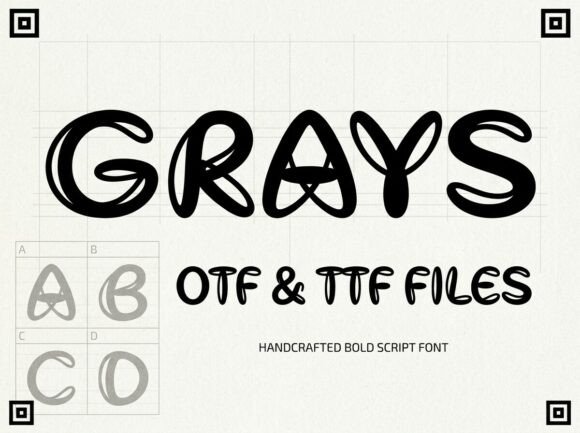
Understand the File Delivery. You'll receive OTF and TTF files. The OTF (OpenType Font) file is the professional standard, offering advanced typographic features and better compatibility with design software like Adobe Creative Suite. The TTF (TrueType Font) file ensures universal compatibility across virtually all devices and operating systems, which is particularly important if you're creating documents or graphics that will be edited by clients or team members using different software. Having both gives you maximum flexibility.
Considering the Commercial License
Before purchasing, a critical step is reviewing the licensing terms. Foamy is a commercial font, meaning it's designed for professional and commercial use. The license typically covers a wide range of applications, from client work and merchandise to digital products and marketing materials. However, it's your responsibility to ensure the specific license you purchase aligns with your project's scope, especially regarding the number of users or installations if you're working within a team. This due diligence is a standard part of working with professional design assets.
Ultimately, choosing a typeface like Foamy is a strategic decision. It’s about selecting a tool that aligns with your project's goals—whether that's to innovate, to attract, to impress, or to define. It’s not just about picking a pretty font; it’s about choosing a voice for your visual communication. When used thoughtfully, it can elevate a design from functional to memorable, helping to build stronger brand recognition and a more professional presentation that truly engages your audience.