Joshua: A Medieval Font for Epic Storytelling
There’s a moment in every design project where the right typeface doesn’t just fit—it transforms. It turns a simple headline into a declaration, a brand name into a legend, and an invitation into a royal decree. If your creative work leans into fantasy, history, or grand narratives, you’ve likely searched for a font that carries weight, texture, and a sense of timeless authority. Enter Joshua, a display typeface that feels less like a digital file and more like a piece of carved stone or illuminated manuscript.
Where Architecture Meets Alphabet
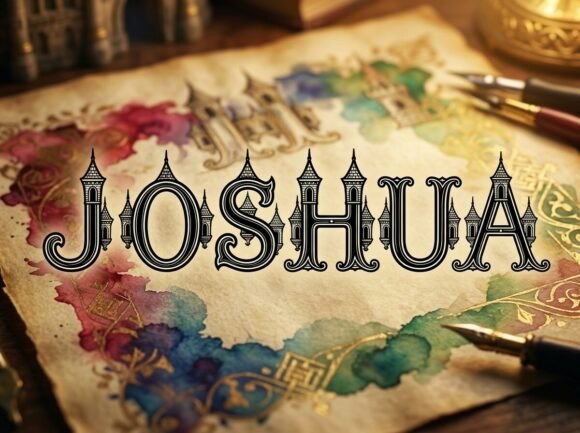
Drawing direct inspiration from the soaring arches of Gothic cathedrals and the fortified towers of medieval castles, Joshua’s letterforms are built on a foundation of visual storytelling. Its serifs aren’t merely decorative; they echo the flying buttresses of Notre-Dame or the pointed windows of a chapel. The strokes have a deliberate, chiseled quality, suggesting a craftsman’s hand rather than a modern printer’s precision. This isn’t a font for body text—it’s a headline hero, designed to command attention in large-scale applications where every curve and counter can be fully appreciated.
What makes Joshua particularly compelling is its balance. Despite its ornate, historical roots, the typeface maintains a surprising clarity. The letter spacing is carefully considered, preventing the intricate details from blurring into visual noise. This makes it an extraordinary choice for projects that need to feel both majestic and legible, whether on a book cover viewed from across a store or a gaming logo sized down for a mobile app icon.
Forging a Brand Identity with Historical Depth
For entrepreneurs and brand strategists, Joshua offers a powerful tool for differentiation. In a market saturated with sleek, minimalist sans-serif fonts, a well-crafted serif display font like Joshua can instantly communicate a brand’s core values: tradition, craftsmanship, storytelling, and a touch of magic. Imagine a boutique brewery using Joshua for its logo and bottle labels, instantly conveying artisanal heritage. Picture a high-end fantasy-themed escape room using it for their signage and booking website, setting the tone for an immersive experience before a single puzzle is solved.
The font’s versatility within its niche is a key strength. It can be styled to feel dark and mysterious for a grimdark fantasy novel or light and whimsical for a fairytale-themed children’s event. This adaptability allows it to serve a wide range of creative professionals:
- Publishers & Authors: Perfect for fantasy novel series branding, chapter headings, and promotional posters.
- Event Planners: Creates unforgettable branding for Renaissance fairs, themed weddings, or corporate events with a historical motif.
- Game Developers: An ideal choice for RPG titles, guild logos, and in-game UI elements that require an epic, immersive feel.
- Content Creators: Adds dramatic flair to YouTube thumbnails, podcast cover art, and social media banners for channels focused on history, fantasy, or storytelling.
Practical Applications Across the Creative Spectrum
While Joshua excels in grand, thematic projects, its utility extends into more nuanced design work. The key is to use it strategically, as a focal point rather than a workhorse.
Packaging & Print Materials: For product packaging, Joshua can elevate a brand’s shelf presence. Think of a luxury chocolate box with a Gothic-inspired script, or a specialty tea blend with a label that feels like a page from an ancient herbal. It’s equally effective on high-end stationery, business cards for creative consultants, or museum exhibit brochures.
Digital & Social Media: In the digital realm, Joshua shines in hero headers on websites, particularly for brands in the creative, artisanal, or entertainment sectors. For social media, it’s perfect for creating eye-catching quote graphics, announcement posts for book launches, or Instagram story highlights with a cohesive, thematic look. Pair it with a clean, modern sans-serif for body copy to ensure readability while maintaining visual interest.
Editorial & Merchandise: Editorial designers can use Joshua for chapter openers or feature article titles in magazines or blogs covering fantasy art, historical fiction, or tabletop gaming. For merchandise, it’s a natural fit for t-shirt designs, enamel pins, or poster prints sold at conventions or online stores, appealing directly to audiences who cherish this aesthetic.
Mastering the Craft: Pairing and Readability
Integrating a powerful display font like Joshua into a design system requires thoughtful consideration. Its strength lies in contrast. Avoid pairing it with another ornate script or a heavy serif; instead, let it breathe alongside a neutral companion.
- The Classic Pair: Combine Joshua with a clean, geometric sans-serif like Montserrat or Open Sans for body text. This creates a clear hierarchy and ensures the supporting text is easy to read.
- The Textured Combo: For a more layered, editorial feel, pair it with a simple handwritten font for sub-headlines or pull quotes, but use this sparingly to avoid clutter.
- Readability First: Always test your pairings at the intended size. Joshua is best used for headlines, logos, and short bursts of text. Never use it for paragraphs or fine print.
Before finalizing a design, review all the included styles and alternates. Many premium display fonts come with stylistic sets, ligatures, or swashes that can add unique flair. Experiment with these in your specific layout to see if they enhance or distract from your message.
Choosing Your Typeface with Purpose
Selecting a font is a branding decision. Ask yourself: Does this typeface embody the personality of the project? Is it appropriate for my target audience? Will it stand the test of time, or is it a fleeting trend? Joshua is built for projects that embrace narrative and heritage. It’s not the right choice for a fintech startup or a minimalist fashion blog, but for a fantasy author, a historical reenactment society, or a gaming studio, it can be the cornerstone of a compelling visual identity.
Finally, always consider the practical side of licensing. Ensure the font license covers your intended use, whether for a single client project, unlimited commercial prints, or digital products. Investing in a well-crafted, licensed font is an investment in the professionalism and legal safety of your work.
In the end, Joshua is more than just a collection of glyphs. It’s a gateway to building worlds, telling stories, and creating brands that resonate with a sense of wonder and epic scale. When your project calls for that level of gravitas, this typeface doesn’t just speak—it roars.