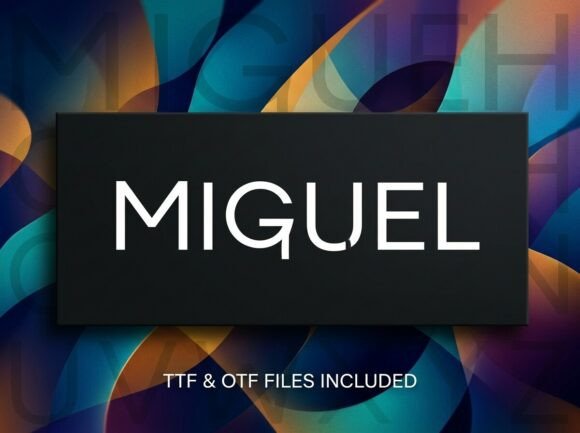
Miguel: A Typeface with Unmistakable Visual Character
Sometimes, a project calls for typography that does more than just convey words—it needs to make a statement. You know the feeling: you're designing a logo for a boutique brand, laying out a magazine cover, or creating social media graphics that need to stop the scroll. Standard fonts feel safe, but they also risk blending into the background. This is where a typeface like Miguel enters the conversation, offering a distinct personality that commands attention without saying a word.
Understanding Miguel's Design Philosophy
Miguel is a decorative display font, crafted specifically for high-impact scenarios. Its design features unique artistic flourishes and a strong, confident presence. Think of it not as a workhorse for body text, but as a specialized tool for headlines, logos, and decorative initials where each letterform is treated as a piece of art. The all-caps structure reinforces this bold approach, ensuring every character carries weight and visual interest. It's a typeface that understands its role: to be the focal point, not the supporting act.
This kind of premium font is built for creators who want to break away from the ordinary. Its visual personality is strong, making it ideal for projects that require a memorable and artistic touch. The included OTF and TTF files ensure compatibility across professional design software and universal devices, giving you flexibility in your workflow.
Practical Applications for Creative Projects
The real value of a font like Miguel lies in its application. It’s not about using it everywhere, but about using it strategically to achieve specific design goals. Here’s where it can truly shine:
- Branding & Logo Design: A logo sets the tone for an entire brand identity. Miguel’s distinctive character can help a boutique, artisan, or creative studio establish a visual mark that feels unique and handcrafted. It’s particularly effective for brands targeting audiences that appreciate artistry and individuality.
- Packaging Design: On a shelf crowded with products, packaging needs to grab attention quickly. Miguel’s bold letterforms can make a product name pop, ideal for cosmetics, gourmet foods, or specialty goods where presentation is part of the experience.
- Editorial & Print Layouts: Magazine covers, book titles, and poster headlines benefit from a display font that sets an immediate mood. Miguel can provide the artistic flair needed for features on design, culture, or lifestyle topics.
- Digital Presence: From website hero sections to blog headers and social media graphics, this typeface helps create a cohesive and striking visual language. It’s perfect for announcements, quote graphics, or profile banners where you want to make an impact.
- Marketing & Merchandise: Think event posters, promotional flyers, or merchandise like tote bags and t-shirts. Miguel’s style lends itself well to designs that are meant to be seen and remembered.
Enhancing Your Visual Strategy with Intentional Typography
Choosing a font is a design decision that affects more than just aesthetics; it influences how your audience perceives your message. Using a creative font like Miguel can improve several aspects of your project:
Brand Recognition & Consistency: A unique typeface becomes part of your brand’s visual toolkit. When used consistently across touchpoints—from your website to your packaging—it helps build recognition. Customers start to associate that distinct style with your business.
Professional Presentation: The polished finish of a well-crafted typeface elevates your work. It shows attention to detail, which can subconsciously communicate quality and care to your audience. This is crucial for entrepreneurs and small business owners looking to establish credibility.
Audience Engagement: In a fast-scrolling digital environment, visual hooks matter. A headline set in Miguel can pause the scroll, draw the eye, and encourage someone to read further. Its artistic nature can also resonate on an emotional level with certain audiences, fostering a stronger connection.
Making the Most of a Display Typeface
Working with a display font requires a thoughtful approach. Its strength is in its impact, which means context is everything. Here’s some practical advice for incorporating a font like Miguel into your projects:
Pairing for Balance: Because Miguel is bold and decorative, it pairs best with simpler, more neutral fonts. A clean sans serif font for body text or a straightforward serif font for subheadings can provide visual rest and ensure your main message remains clear. The contrast allows Miguel to headline without overwhelming the entire design.
Prioritize Readability: While artistic, all-caps display fonts are not suited for long paragraphs. Use them for short, powerful bursts of text: a company name, a single headline, a call-to-action. Always test how your chosen text looks at the size it will be viewed, whether on a mobile screen or a printed poster.
Understand the Files: The package typically includes OTF and TTF files. OTF is the professional standard for advanced layout and design software, offering more features. TTF provides universal compatibility, which is useful for web use or clients who may not have specialized design software. Knowing which to use for which platform is part of a smooth workflow.
Review Licensing: Before using any commercial font in a client project or for merchandise you sell, always confirm the licensing terms. Ensure the license covers your intended use, whether it’s for digital products, printed materials, or physical goods.
Ultimately, a typeface like Miguel is a tool for visual storytelling. It’s for the moment when you need your design to have a voice, a personality, and an unforgettable presence. By applying it with intention—understanding its strengths and pairing it wisely—you can create work that doesn’t just look good, but communicates something meaningful and distinct.