Sweet Symphony: The Handwritten Font That Dances Off the Page
Every designer knows the feeling: you're working on a project that needs personality, warmth, and that elusive human touch, but your font library feels like it's speaking in corporate monotones. Enter Sweet Symphony, a handwritten display font that doesn't just sit on your canvas—it performs. Born from the joyful rhythm of a pen in motion, this typeface carries the kind of organic energy that transforms flat designs into living, breathing pieces of communication. Whether you're crafting a wedding invitation that whispers romance or building a brand identity that radiates approachability, Sweet Symphony offers that rare blend of playfulness and sophistication that makes people pause and actually feel something.
Understanding the Visual DNA of Sweet Symphony
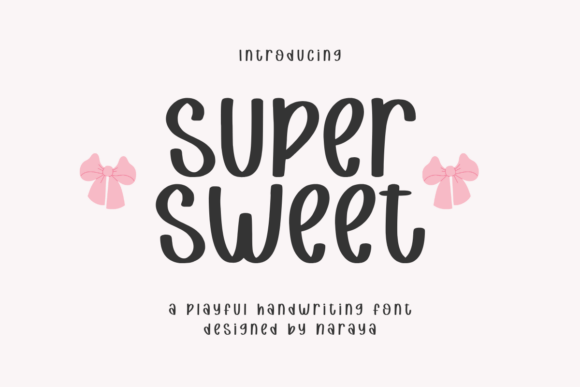
What sets this premium font apart from countless other script fonts flooding design marketplaces? It starts with intention. Sweet Symphony wasn't digitized from a single hurried signature or a trendy brush stroke—it was carefully constructed to maintain consistency across every letterform while preserving the natural imperfections that make handwriting feel authentic. The curves flow with a jovial tonality, each character connecting to the next with a rhythm that mimics actual pen movement. This isn't sterile calligraphy or overly polished lettering; it's the kind of typography that feels like it was written by someone who genuinely enjoyed putting pen to paper.
The visual appeal lies in its balance. Too many handwritten fonts lean so far into casual territory that they become illegible at smaller sizes or look sloppy in professional contexts. Sweet Symphony threads the needle beautifully—its letter spacing and stroke weight maintain readability while delivering the charm and quirkiness that designers crave. The uppercase letters carry a confident flair without overwhelming the gentler lowercase forms, creating a natural visual hierarchy that works beautifully for headlines, logos, and display text.
Where Sweet Symphony Truly Shines: Real-World Applications
Let's talk practical application, because a font is only as valuable as the projects it elevates. Sweet Symphony excels across a surprisingly broad range of creative contexts, and understanding where it fits best will help you maximize its potential in your own work.
Brand Identity and Logo Design: For small businesses, boutiques, bakeries, florists, and creative studios, this handwritten font becomes the visual voice of the brand. Imagine a skincare company whose packaging features Sweet Symphony on every label—the font instantly communicates artisanal quality, personal care, and warmth without saying a single word. When paired with a clean sans serif font for body text, it creates a brand system that feels both professional and deeply human.
Wedding and Event Invitations: This is perhaps the most natural habitat for Sweet Symphony. Wedding stationery, save-the-dates, rehearsal dinner invitations, baby shower announcements—the font brings that hand-lettered aesthetic couples love without the cost of hiring a calligrapher for every piece. Its elegant curves photograph beautifully, which matters enormously in an era where invitations often make their first appearance on Instagram before they arrive in mailboxes.
Packaging and Product Design: Small-batch food producers, candle makers, and artisan goods creators often struggle to find typography that reflects their handmade ethos. Sweet Symphony solves this problem elegantly. On a kraft paper label or a minimalist product box, this typeface signals craftsmanship and attention to detail—qualities that justify premium pricing and build customer loyalty.
Social Media Graphics and Digital Content: Content creators and marketers need fonts that stop the scroll. Sweet Symphony's distinctive character makes quotes, announcements, and promotional graphics immediately stand out in crowded feeds. Use it for Instagram story headers, Pinterest pins, or YouTube thumbnails where you need text that feels personal and engaging rather than corporate and distant.
Website Headers and Blog Design: While you wouldn't set an entire blog post in a display font, Sweet Symphony works wonderfully for website headers, section titles, and featured quotes. It adds personality to an otherwise text-heavy page and helps establish a visual rhythm that guides readers through your content.
Building Visual Consistency Across Every Touchpoint
One of the most overlooked aspects of modern typography is consistency. A brand that uses five different fonts across its website, social media, packaging, and print materials creates visual noise that confuses audiences and dilutes recognition. Sweet Symphony, when adopted as part of a deliberate type system, becomes a recognizable signature that audiences associate with your work over time.
The key is pairing it thoughtfully. A handwritten display font like Sweet Symphony needs a grounded companion—typically a clean serif or sans serif font that handles longer text passages. Think of it as the lead vocalist and the rhythm section: Sweet Symphony brings the emotion and personality, while your secondary font provides the structure and readability that keeps information accessible. Test your pairings at multiple sizes and on different backgrounds before committing. What looks stunning at 72 points on a white mockup might lose its magic at 18 points on a textured background.
Consider also how the font renders across different platforms. A typeface that looks gorgeous in your design software might behave differently on a live website or when printed on uncoated paper. Always test your font choices in the actual environment where your audience will encounter them. This practical step separates professional design work from amateur experimentation.
Practical Considerations Before You Commit
Before integrating any creative font into your workflow, a few practical checkpoints will save you headaches down the road. First, review the complete character set and included styles. Does the font include alternates, ligatures, or multiple weights? These extras dramatically expand your creative flexibility and help you avoid the frustration of discovering missing characters mid-project.
Second, understand the licensing terms. If you're using Sweet Symphony for commercial projects—client work, merchandise, products for sale—ensure your license covers those applications. Most premium font licenses distinguish between personal and commercial use, and some require separate licenses for different use cases like web embedding or physical merchandise. This isn't just legal housekeeping; it's professional integrity.
Third, think about your audience's experience. A handwritten font adds personality, but personality should never come at the expense of comprehension. If your primary audience includes older adults or if your design will be viewed on small mobile screens, test readability carefully. Sweet Symphony's thoughtful construction helps here, but context always matters. A wedding invitation read at arm's length demands different legibility standards than a billboard seen from fifty feet away.
Letting Your Designs Dance on the Playful Side of Elegance
Typography is ultimately about communication, and the fonts you choose tell your audience something before they read a single word. Sweet Symphony communicates joy, warmth, creativity, and authenticity. It signals that whoever created this design cared about more than just conveying information—they wanted to create an experience. For designers, marketers, entrepreneurs, and creators who understand that visual communication is emotional communication, this handwritten font becomes more than a design asset. It becomes a creative partner that brings genuine personality to every project it touches, turning ordinary layouts into memorable moments that resonate long after the first glance.