Acorn: The Typeface That Commands Attention
Sometimes a design project calls for more than just text on a page; it demands a visual statement. You need typography that doesn't whisper but declares, a letterform that carries weight and intention before a single word is even read. This is where a typeface like Acorn enters the conversation. It’s not just a collection of characters; it's a foundational element built for projects that require strength, clarity, and an unmistakable modern edge. Think of it as the architectural blueprint for your brand's voice.
More Than Just a Font: A Tool for Visual Storytelling
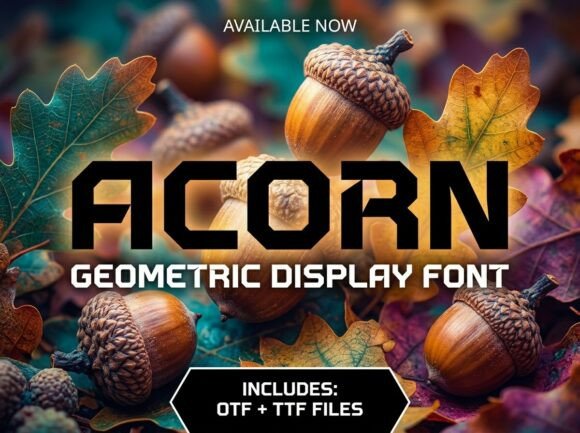
At its core, Acorn is a geometric display font. But what does that mean for your project? Its letterforms are constructed from simple, strong shapes—circles, squares, and precise angles—giving it a clean, structured foundation. The "display" classification tells you it's designed for impact, not lengthy body text. This makes it a premium font choice for headlines, logos, and any application where you need to make an immediate impression.
What truly sets Acorn apart are its specific design characteristics. The heavy, blocky letterforms create a sense of solidity and permanence. The sharp, chamfered corners add a touch of refined engineering, preventing the look from feeling overly blunt or crude. Then, there are the strategic stenciled apertures—those intentional gaps in the letterforms. This isn't just a stylistic flourish; it reduces visual weight, improves legibility at large sizes, and injects a contemporary, industrial vibe that feels both technical and innovative. This combination results in a modern typography asset with a powerful, architectural feel.
Where Strength Meets Strategy: Practical Applications
The true test of any creative font is how it performs in the real world. Acorn’s robust personality makes it exceptionally versatile across a range of creative and commercial projects. Its unyielding power translates well to industries and contexts that value durability, performance, and forward-thinking design.
- Branding & Logo Design: For outdoor equipment brands, adventure gear companies, or rugged lifestyle startups, Acorn provides an instant sense of reliability and toughness. A tech startup can use it to project stability and cutting-edge innovation. In logo design, its distinct letterforms ensure high brand recognition.
- High-Impact Marketing & Social Media: On social media graphics, Acorn cuts through the noise. Use it for bold announcements, sale headers, or profile banners on Instagram and Twitter. It’s equally effective in digital marketing assets like email headers or webinar title slides where you need to grab attention fast.
- Editorial & Packaging Design: In editorial layouts, it can create dramatic chapter titles or magazine covers. For packaging design, especially for products like craft beer, tools, or specialty coffee, it communicates quality and substance. It can make a product stand out on a crowded shelf.
- Digital Products & Merchandise: The font’s strong silhouette is perfect for high-performance gaming logos, esports team branding, or sci-fi campaign titles. It also translates powerfully to merchandise like t-shirts, hats, and posters, where the design needs to be clear and impactful from a distance.
Pairing for Purpose and Polish
Using a strong display font like Acorn effectively often involves thoughtful font pairing. Its dominant personality means it works best as the star of the show for headlines and titles. For supporting text, you’ll want a typeface that complements without competing.
A classic and reliable approach is to pair Acorn with a clean, neutral sans serif font for body copy. Fonts like Lato, Open Sans, or Roboto provide excellent readability and create a pleasing contrast that guides the reader’s eye. This pairing establishes a clear visual hierarchy, with Acorn delivering the impact and the sans serif handling the detailed information.
For a different mood, you could explore pairing it with a subtle serif font to blend modern strength with a touch of traditional elegance, which can work well for upscale branding or editorial design. The key is to test your font pairings in context. Mock up a business card, a website header, or a social media post to see how the typography interacts at actual size. Always prioritize readability for your main content blocks.
Making Acorn Work for Your Brand Identity
Integrating a typeface like Acorn into your brand identity is about more than just aesthetics; it’s about strategic communication. The font you choose becomes a silent ambassador for your brand’s values. Acorn’s visual language speaks of structured innovation, unyielding power, and maximum visual impact.
When reviewing the font family, check the included styles. Often, a typeface like this will come in multiple weights or with alternate characters, giving you more flexibility to adapt it to different contexts while maintaining a cohesive look. Always verify the commercial licensing to ensure it covers all your intended uses, from digital products to printed merchandise.
Ultimately, choosing the right font style is about alignment. Does your project goal involve building trust and recognition? Acorn’s consistent, geometric structure supports that. Are you trying to engage a young, dynamic audience? Its modern, technical edge resonates with that demographic. By matching the typography’s personality to your project’s goals, you create a more powerful and professional presentation that feels authentic and intentional. It’s a design asset that, when used thoughtfully, can significantly elevate the perception of your entire project.