Biglove: The Typeface That Brings Heartfelt Charm to Your Designs
There's something undeniably magnetic about a font that feels alive, one that doesn't just sit on the page but practically hums with personality. That's the experience of working with Biglove, a lively display typeface that carries the warmth of handwritten notes and the boldness of modern artistry. It's the kind of font that makes you lean in closer, the kind that turns a simple invitation into something you want to keep forever. If your creative work depends on capturing genuine emotion—joy, romance, celebration—this typeface deserves a closer look.
Why Biglove Feels Different from Standard Display Fonts
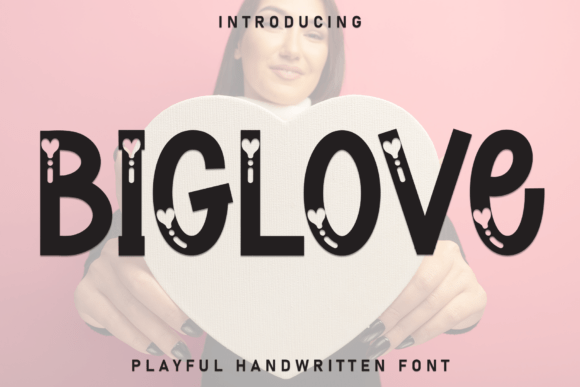
Most display fonts fall into predictable camps. Some are loud and aggressive, built for impact but lacking nuance. Others are delicate to the point of being impractical. Biglove occupies a rare middle ground. Its letterforms have an organic, almost painterly quality—swirls and strokes that suggest a human hand guiding every curve. Yet it maintains enough structure to remain legible at various sizes, which is a genuine challenge for script-inspired typefaces.
What sets it apart visually is the way it balances whimsy with sophistication. The characters have imaginative flourishes, but they don't cross into cartoonish territory. There's a confident elegance running through each glyph, making it suitable for projects that need to feel both approachable and polished. Think of it as the typographic equivalent of a beautifully handwritten thank-you card—personal, warm, but clearly crafted with care.
Practical Applications Where This Font Truly Shines
Understanding where a typeface works best saves you hours of experimentation. Here's where Biglove proves its worth across different creative contexts:
- Wedding and event invitations: This is the font's natural habitat. Its romantic script qualities make it ideal for save-the-dates, RSVP cards, and ceremony programs. Pair it with a clean serif or sans serif font for body text, and you've got an invitation suite that feels cohesive and memorable.
- Brand identity for lifestyle businesses: Bakeries, florists, boutique hotels, wellness studios—any business that trades in warmth and personal connection can benefit from incorporating this typeface into their logo or wordmark. It signals approachability without sacrificing professionalism.
- Social media graphics: Instagram quotes, Pinterest pins, and Facebook headers all benefit from a font that stops the scroll. Biglove's distinctive character makes text-based posts feel handcrafted rather than templated.
- Packaging design: For artisan products, cosmetics, or specialty foods, this typeface adds a layer of perceived value. A label or box featuring a premium font like this communicates care and quality before the customer even opens the product.
- Blog headers and editorial layouts: Lifestyle bloggers, recipe creators, and travel writers can use display typefaces like Biglove to establish a visual signature that readers associate with their content.
- Merchandise and print-on-demand: Tote bags, mugs, greeting cards, and posters featuring expressive typography tend to resonate with buyers looking for something with personality.
Pairing Biglove with Other Typefaces for Maximum Impact
A display font rarely works in isolation. The real magic happens when you pair it thoughtfully with complementary typefaces. Biglove's ornate, flowing style demands a counterbalance—a partner font that grounds the design and handles longer passages of text.
Consider pairing it with a geometric sans serif for a modern contrast. Fonts like Montserrat or Poppins provide clean readability while letting Biglove command attention in headlines. Alternatively, a classic serif like Playfair Display or Lora can create a more traditional, editorial feel when used alongside it.
The key principle is contrast without conflict. You want the two typefaces to feel like they belong in the same conversation, even if they have very different personalities. Test your pairings by placing them side by side in a realistic layout—a mock invitation, a sample social media post, a pretend product label. If the combination feels harmonious at a glance, you're on the right track.
Also pay attention to weight and size ratios. Since Biglove is naturally expressive, you'll often want to use it larger and more sparingly than your secondary font. Let it breathe. Crowding it next to dense paragraphs of text diminishes its impact.
Readability Considerations for Real-World Projects
Every designer faces the tension between aesthetic ambition and practical clarity. Display typefaces, especially those with script or handwritten influences, require extra attention to readability. Here are honest observations about working with Biglove in production contexts:
At large sizes—think poster headlines, hero banners, or logo lockups—the font is exceptionally clear. Its distinctive letterforms are easy to distinguish, and the overall texture creates visual interest without sacrificing comprehension.
At medium sizes, such as subheadlines or social media text overlays, it remains effective but benefits from generous spacing. Tight kerning can cause some of the more elaborate characters to merge visually, so give the letters room to breathe.
At small sizes, particularly in print, exercise caution. Like most expressive display fonts, Biglove is not designed for body copy. Using it for lengthy paragraphs or fine print would compromise legibility. Reserve it for moments where it can make a statement, and delegate the heavy reading work to a more utilitarian typeface.
Background contrast matters too. This font's flowing strokes show up beautifully against solid, high-contrast backgrounds. Busy photographic backgrounds or low-contrast color combinations can obscure its finer details, so choose your backdrop wisely.
Licensing, File Formats, and Getting Started
Before incorporating any commercial font into your workflow, understanding the licensing terms protects both you and your client. Most premium fonts like Biglove come with clear licensing agreements that outline permitted uses—desktop, web, app, and merchandise. Review these terms carefully, especially if you're creating products for sale or working across multiple client accounts.
Check what's included in the package. Quality font releases typically offer multiple file formats—OTF, TTF, and WOFF for web use—along with a character map showcasing all available glyphs, alternates, and ligatures. Some versions include stylistic alternates that let you swap out individual letterforms for variations, adding even more creative flexibility to your projects.
If the font includes multilingual support, that's a significant bonus for brands or creators working with international audiences. It's worth verifying before you commit to a typeface for a project that might expand into other markets.
Install the font files on your system, load them into your design software, and spend some genuine time exploring what's available. Type out sample words and phrases relevant to your project. Experiment with letter spacing, size, and color. The more familiar you become with its quirks and strengths, the more effectively you'll deploy it in your work.
Building a Visual Identity Around Expressive Typography
Choosing a typeface with this much personality is a deliberate branding decision. When Biglove becomes part of your visual identity, you're making a statement about the kind of experience your audience can expect—one that's warm, creative, and emotionally resonant.
For small business owners, this kind of typographic choice can differentiate you in crowded markets. A bakery using a generic system font on its packaging communicates something very different from one using a thoughtfully chosen display typeface. The latter suggests craftsmanship, attention to detail, and a brand that cares about every touchpoint.
For content creators and bloggers, a signature font becomes part of your recognizability. Followers start associating that visual style with your voice and content, building brand recognition through consistency alone.
The goal isn't to use Biglove everywhere—that would overwhelm any design. Instead, use it strategically as the emotional anchor of your visual system. Let it greet your audience in headlines and invitations, then step back so supporting typefaces can carry the informational load. This rhythm between expressive and functional typography is what separates amateur layouts from professional ones.
When a typeface can make someone smile before they've finished reading the first word, you've found something genuinely valuable. That's the quiet power of a well-crafted display font, and it's exactly what makes this one worth exploring for your next creative project.