Kiwi: The Animated Font That Brings a Zesty Soul to Your Designs
Forget sterile, corporate typefaces for a moment. Imagine a font that doesn't just sit on the page but actively engages with your audience, a character in its own right. That’s the unexpected charm of Kiwi, a display font that injects a dose of pure, unadulterated personality into any project it touches. It’s not just a set of letters; it’s a cast of cheeky, expressive characters ready to make your branding unforgettable.
A Typeface with a Face: Beyond Standard Letterforms
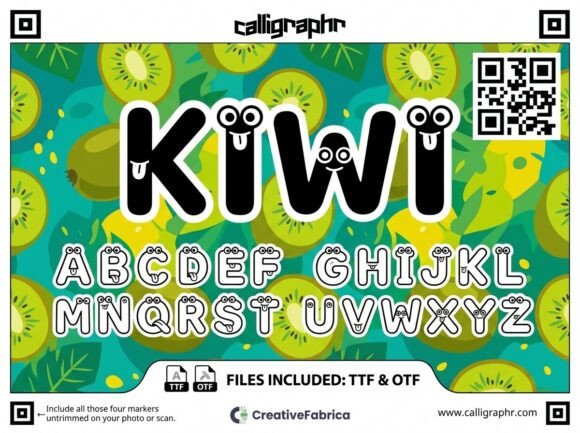
At its core, Kiwi is a bold, bubbly sans-serif, but that description barely scratches the surface. Its true magic lies in the whimsical, hand-drawn faces integrated into every single glyph. We’re talking googly eyes that seem to follow you and cheeky tongues peeking out, transforming simple words into a playful narrative. This isn't a gimmick; it's a strategic design choice. The heavy structural weight ensures the letters remain confident and readable, while the animated features deliver an instant emotional punch. It’s the visual equivalent of a fruit bar that’s both satisfyingly substantial and bursting with fun.
This unique personification solves a common design challenge: how to stand out in a crowded visual landscape. A logo set in Kiwi doesn't just communicate a name; it communicates a vibe—joyful, approachable, and refreshingly honest. For a small business, this font becomes a shortcut to brand personality, conveying a "zesty-and-zealous" soul without a single word of copy.
Where Personality Meets Practicality: Real-World Applications
The true test of a creative font is its versatility. Kiwi thrives in contexts where energy and approachability are paramount. Consider its natural habitat:
- Independent Branding & Packaging: It’s the premier choice for a local fruit bar, a quirky juice brand, or a children’s snack line. The font itself becomes a key part of the product’s identity on packaging, creating shelf appeal that’s impossible to ignore.
- Playful Event Stationery: Summer fairs, kids' birthday parties, or community picnics gain an instant theme with invitations and signage in Kiwi. It sets a tone of lighthearted fun before the event even begins.
- Digital & Social Media Presence: In the fast-scroll world of Instagram or TikTok, high-impact "fresh-and-funny" headers are gold. Kiwi stops thumbs in their tracks for posts promoting a sale, a new blog post, or a YouTube video. It’s also perfect for creating engaging digital products like planners or worksheets for a younger audience.
- Merchandise & Editorial Layouts: Think tote bags, t-shirts, or stickers for a brand with a youthful spirit. In editorial design, it can be used sparingly for pull quotes or feature headers in a magazine or blog to inject a moment of delight.
The key is context. You wouldn’t set a legal contract in Kiwi, but for a poster advertising a lemonade stand or the logo for a pet grooming service called "The Pampered Pup," it’s a masterstroke. It immediately tells your audience what kind of experience they can expect: one that’s friendly, energetic, and not taking itself too seriously.
Smart Pairings and Practical Considerations
Using a display font with this much character requires a thoughtful approach. The goal is to let Kiwi shine without overwhelming your design. Here’s how to integrate it effectively:
- Let It Be the Star: Use Kiwi for headlines, logos, or key callouts. Pair it with a clean, neutral sans-serif or a simple serif font for body copy. This contrast ensures readability while maintaining a cohesive visual hierarchy. A pairing with a font like Open Sans or Lato for paragraphs creates a balanced, professional presentation.
- Test for Readability: Always test your chosen font pairing in context. How does Kiwi look on a mobile screen versus a printed poster? Is the cheeky detail clear at smaller sizes, or does it become muddy? This step is crucial for maintaining a polished final product.
- Consider Your Audience: While Kiwi appeals to a broad range, its personality is best suited for projects targeting families, young adults, or anyone with a playful sensibility. For a more mature or luxury brand, a different style would be more appropriate.
- Review the Font Styles: A premium font like this often includes stylistic alternates or additional character sets. Explore what’s included. Are there different eye styles or tongue variations? Using these features can add even more custom flair to your work.
- Understand the License: Before using Kiwi in a commercial project—whether it's client work, merchandise, or a paid digital product—ensure you have the correct commercial license. This protects your project and supports the font’s creator, allowing for more innovative design assets to be developed.
Ultimately, choosing a typeface like Kiwi is a strategic decision about brand identity. It’s for the designer or business owner who understands that typography is more than just legible words; it’s a powerful tool for visual communication and audience engagement. By embracing its joyful personality, you’re not just picking a font—you’re adopting a mascot that can make your creative projects more memorable, more engaging, and a whole lot more fun.