Calyp: When Your Typography Needs to Command the Room
There is a specific moment in every design project where the font choice makes or breaks the concept. You have the layout, the color palette, and the imagery, but if the text feels generic, the entire composition falls flat. This is where a typeface like Calyp steps in. It isn't just a collection of letters; it is a decorative display font engineered to be the absolute center of attention. In a digital landscape saturated with minimalist sans-serifs and overused scripts, Calyp offers a distinct, artistic personality that refuses to blend into the background.
The Power of the Uppercase
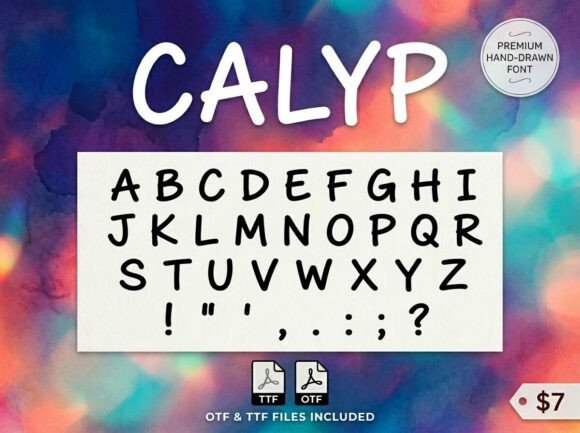
Before integrating any new asset into your workflow, it is crucial to understand the tool you are working with. Calyp is defined as an ALL-CAPS (Uppercase Only) display typeface. This is not an oversight; it is a deliberate design decision. In typography, uppercase letters carry a visual weight and authority that lowercase letters simply cannot match. They are geometric, structural, and inherently bold.
Because Calyp focuses exclusively on capital letters, the designer was able to focus on the artistic elements of each glyph without worrying about the x-height or the flow of connecting tails common in script fonts. This results in a font where every single letter feels like a standalone piece of art. It is the typographic equivalent of a loudspeaker. If you are looking for a font to write long paragraphs of body text, Calyp is not the right choice. However, if you need to inject visual personality and high-impact energy into headlines, logos, or decorative initials, it is an incredibly powerful asset.
Where Artistic Typography Meets Commercial Application
One of the biggest challenges for creative entrepreneurs and designers is finding a premium font that balances artistic flair with professional utility. A font might look beautiful in a specimen sheet but fail miserably on a product label or website header due to poor spacing or lack of versatility. Calyp bridges this gap effectively. Its unique artistic elements provide the "wow" factor, while its professional polish ensures it remains readable and functional across various mediums.
Consider the versatility required in modern content creation. A brand identity is no longer just a business card; it is a living ecosystem of digital and physical touchpoints. Here is how a typeface like Calyp fits into that ecosystem:
- Logo Design and Branding: The logo is the cornerstone of your identity. Using Calyp for a wordmark ensures that your brand name is memorable. Its strong visual personality helps startups stand out against established competitors who may be using safer, more traditional typography.
- Packaging Design: On a crowded shelf, you have roughly three seconds to grab a consumer's attention. Calyp’s decorative nature makes it ideal for product names on packaging, whether it’s artisanal coffee, cosmetics, or streetwear. It signals to the buyer that the product inside is creative and high-quality.
- Social Media Graphics: In the fast-scroll environment of Instagram or TikTok, static text is often ignored. However, a bold, artistic font creates an immediate focal point. It works exceptionally well for quote graphics, announcement posts, and cover images where the text needs to act as the primary visual.
- Merchandise and Apparel: T-shirt typography is an art form. Fonts that look good on screen often look terrible on fabric. The bold, high-contrast nature of Calyp translates beautifully to screen printing and embroidery, making it a go-to choice for apparel designers.
- Event Invitations and Editorial Design: For wedding invitations, festival posters, or magazine covers, the typography sets the mood. Calyp brings a sense of occasion and exclusivity, perfect for headers that need to feel celebratory or avant-garde.
Practical Tips for Integrating Calyp into Your Workflow
Adopting a new display font requires a strategic approach to ensure it enhances rather than hinders your design. Since Calyp is an uppercase-only typeface, you must be mindful of how you use it to maintain readability and hierarchy.
Mastering Font Pairing
Because Calyp is so visually distinct, it rarely works well when paired with another decorative font. The rule of contrast applies here: pair the loud with the quiet. To let Calyp’s personality shine, surround it with a clean, neutral sans serif font or a classic serif font for your body copy. For example, using Calyp for a main headline and a geometric sans-serif like Montserrat or a humanist sans like Open Sans for the sub-text creates a balanced hierarchy. This allows the decorative elements of Calyp to capture attention while the secondary font provides the necessary information without visual competition.
Spacing and Legibility
Decorative display fonts often have unique kerning (spacing between letters). Because Calyp features artistic elements, you may need to manually adjust the tracking in your design software (like Adobe Illustrator or Photoshop). If the letters are too tight, the artistic details might merge and become unreadable. If they are too loose, the word loses its cohesion. Test your headlines at various sizes to ensure the "works of art" aspect of the letters remains clear.
File Compatibility and Technical Usage
Nothing halts a creative flow faster than technical incompatibility. Calyp is provided in both OTF (OpenType Font) and TTF (TrueType Font) formats. This is standard for professional design assets. The OTF file is generally preferred for advanced layout software as it supports more sophisticated typographic features, while the TTF ensures universal compatibility across all devices and older systems. This means whether you are designing in the Adobe Creative Cloud, Canva, or Affinity Designer, you can install and use the font immediately.
Aligning Typography with Audience Expectations
Visual communication is psychological. The fonts you choose tell your audience a story before they even read the words. A handwritten font might suggest intimacy and warmth; a stark sans-serif suggests modern efficiency. Calyp speaks the language of creativity, boldness, and disruption.
If you are a small business owner targeting a young, trend-aware demographic, this font aligns perfectly with that persona. It suggests that your brand is confident and unafraid to be different. Conversely, if you are designing for a corporate law firm, Calyp might be too informal. Understanding your audience's expectations is key. When the typography matches the energy of the brand, it builds trust and brand recognition.
Commercial Licensing and Project Scalability
For entrepreneurs and freelancers, the practicalities of licensing are just as important as the aesthetics. When investing in a commercial font, you are purchasing the right to use that design in profit-generating projects. This includes client work, merchandise sales, and digital products.
Always review the specific license included with your download. Most premium fonts allow for desktop usage (logos, print) and sometimes web usage (via @font-face or WOFF files), but terms can vary. Ensuring you have the correct license protects you legally and supports the type designers who create these intricate tools. It allows you to scale your projects—whether you are printing 100 business cards or 10,000 posters—without legal ambiguity.
Ultimately, typography is the voice of your design. Choosing a typeface like Calyp is a decision to speak loudly and artistically. It provides the structure of professional design files (OTF and TTF) wrapped in a package of unapologetic creativity. For the designer looking to break away from the ordinary, it offers a reliable way to make every headline, logo, and initial a memorable visual experience.