Infuse Your Projects with Joyful, Chunky Typography
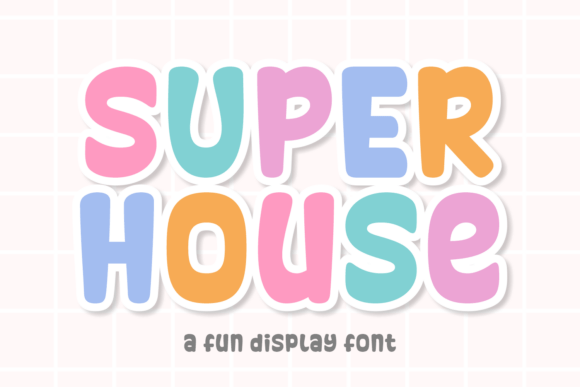
There is a specific kind of energy you get when you open a design file and the text just feels alive. It isn’t about complex gradients or intricate illustrations; sometimes, the most effective way to communicate joy is through the sheer shape of the letters. If you have been searching for a typeface that embodies a celebration, look no further. This typeface is not just a set of characters; it is a visual mood booster designed to make your projects radiate positivity. It captures that nostalgic, carefree feeling of a sunny day out, translating it into a heavy, rounded, and chunky display font that demands attention.
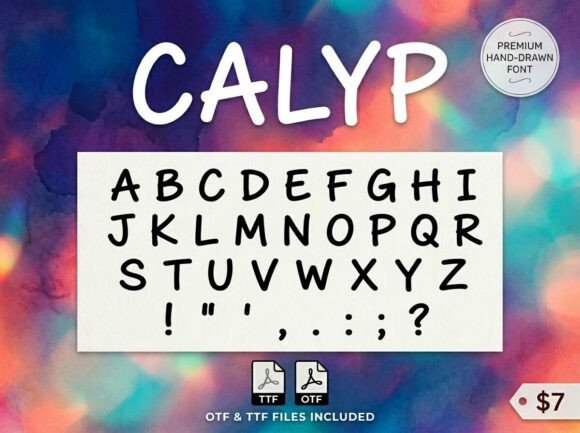
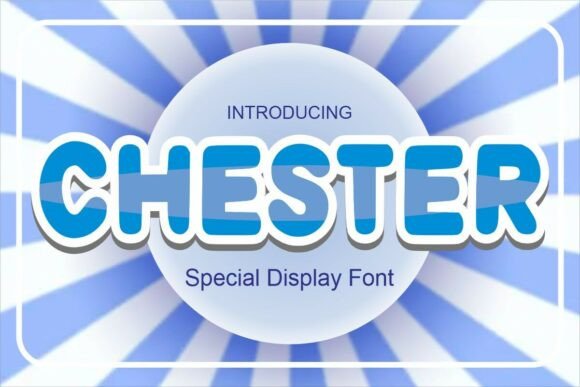
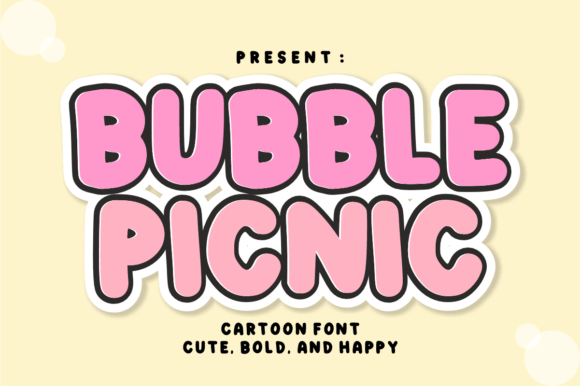
The defining characteristic of this design is its "Cute, Bold, and Happy" personality. In the world of typography, weight and shape dictate emotion. Thin, sharp serifs often communicate luxury and seriousness, but this font takes the opposite approach. It utilizes soft, rounded curves and a heavy weight to create a sense of approachability and warmth. Imagine the visual equivalent of a balloon or a bubble gum bubble—that is the space this typeface occupies. It is playful without being infantile, making it a versatile asset for creators who need to inject a burst of happiness into their visual communication.
The Power of "Soft" Boldness
Why does a "chunky" font work so well for modern branding? It comes down to readability and screen presence. We live in an era dominated by mobile screens and fast-scrolling feeds. A delicate, thin script font might get lost on a high-resolution smartphone screen, especially against a busy background. However, a display font with a heavy weight and thick strokes cuts through the noise.
This particular typeface excels in high-impact scenarios. Because of its smooth outlines and substantial presence, it is incredibly versatile for different production methods. If you are a crafter or a small business owner who utilizes cutting machines like Cricut or Silhouette, you know the headache of dealing with fonts that have thin, wispy lines that snag or tear during the weeding process. This font, with its bold structure, is optimized for vinyl cutting. The letters are robust enough to handle the physical manipulation of production, ensuring that your custom stickers, decals, and apparel remain clean and professional.
Furthermore, the heavy weight makes it a prime candidate for sublimation and print-on-demand products. When ink hits fabric or paper, thin lines can sometimes fade or look inconsistent. Thick, bold strokes ensure that the color remains vibrant and the edges stay crisp, whether you are printing on a cotton t-shirt or a ceramic mug.
Practical Applications: From Branding to Merchandise
Understanding where to use a display font is just as important as choosing the right one. You wouldn't use a chunky, playful font for a legal contract, but you absolutely should use it for a children’s clothing line or a summer festival poster. Here is how you can practically apply this typeface to various design assets:
- Logo Design and Brand Identity: For brands targeting families, pet owners, foodies, or the wellness industry, a rounded, friendly font signals that you are approachable. It works exceptionally well for logo design when paired with a simple sans-serif font for body text. It helps build brand recognition because the shape of the letters is distinct and memorable.
- Packaging Design: If you are launching a new snack product, a toy, or a bath bomb, the packaging needs to scream "fun." This font serves as a fantastic headline on packaging, instantly telling the customer that the product inside is enjoyable.
- Social Media Graphics and Thumbnails: On platforms like Instagram, TikTok, and YouTube, you have milliseconds to capture attention. Bold typography is the key to stopping the scroll. Using this font for your headlines or YouTube thumbnails ensures that your message is readable even on the smallest screen. It adds a layer of personality to your digital marketing that standard fonts cannot replicate.
- Invitations and Stationery: Birthday invitations, baby shower announcements, and party supplies are the natural habitat of a font like this. It sets the tone immediately, letting the recipient know that they are in for a good time before they even read the details.
- Merchandise and Apparel: When designing for print-on-demand, the typography often is the design. A bold, chunky font allows you to create text-based designs that look great on t-shirts, tote bags, and hoodies. The "bubble" aesthetic is particularly popular in streetwear and youth-oriented fashion.
Strategic Typography: Pairing and Hierarchy
While a creative font like this is a star player, it needs a supporting cast to function effectively in a full layout. One of the most common mistakes in design is using a display font for everything. If you use a heavy, chunky font for your paragraphs, your text will become unreadable and overwhelming.
The key to modern typography is hierarchy. You want to use the "Bubble" style for your H1 or H2 headers—the big, punchy words that draw the eye. For your body text (the paragraphs where you explain the details), you need to pair it with something much more neutral.
Font Pairing Ideas:
- With a Sans Serif: Pairing the chunky display font with a clean, geometric sans-serif (like Montserrat or Open Sans) creates a modern, balanced look. The sans-serif handles the heavy lifting of readability, while the display font handles the personality.
- With a Handwritten Script: If you want to lean into the whimsical nature of the design, try pairing it with a casual, handwritten script font. This works well for greeting cards or artisanal product labels, creating a layered, scrapbook aesthetic.
- With a Serif: For a more editorial or "hipster" vibe, contrasting the round, soft display font with a sharp, classic serif (like Playfair Display) can create a sophisticated yet playful tension.
Always test your pairings at different sizes. A font that looks great on a desktop monitor might look cluttered on a mobile phone. Ensure there is enough "white space" (or negative space) between your bold headlines and your other design elements to let the typography breathe.
Commercial Considerations and Licensing
For entrepreneurs and designers, the aesthetic appeal of a font is only half the equation; the practical side of licensing is the other half. When investing in a premium font for commercial use, you are paying for the legal right to use that design in products you sell. This is crucial for protecting your business.
Before finalizing your purchase or download, always review the licensing terms. Most fonts come with specific allowances. A "Standard" license usually covers a certain number of physical end-products (like t-shirts or mugs) or digital impressions (like social media ads). If you are a large agency or a brand with a massive reach, you might need an "Extended" license.
Additionally, check the file formats included. A high-quality font package should include OTF (OpenType) and TTF (TrueType) files to ensure compatibility across different operating systems and software. If you do a lot of web design, having a WOFF or WOFF2 file is essential for embedding the font into your website without slowing down load times.
Final Thoughts on Visual Consistency
Visual consistency is the glue that holds a brand together. When you use the same typeface across your Instagram stories, your website headers, and your physical packaging, you create a cohesive experience for your customer. It builds trust. They begin to recognize your "voice" before they even read your name.
By integrating a distinct, high-impact font into your toolkit, you are doing more than just decorating text. You are defining a personality. Whether you are designing nursery wall art, updating your blog layout, or creating the next viral social media graphic, choosing a typeface that brings a "burst of happiness" ensures that your work resonates emotionally with your audience. It turns standard communication into a visual celebration.