Debra: A Bold Typeface for Designs That Demand Attention
There are moments in every creative project where the ordinary just won't cut it. You're designing a poster for a boutique event, crafting the logo for a new artisan brand, or laying out the cover for an independent magazine. The standard sans serif feels too safe, the typical serif too traditional. What you need is a typeface with a distinct voice, something that doesn't just sit on the page but commands it. This is the space where Debra lives, a premium display font engineered for high-impact moments where every letterform is a deliberate artistic statement.
Understanding the Character of This Creative Font
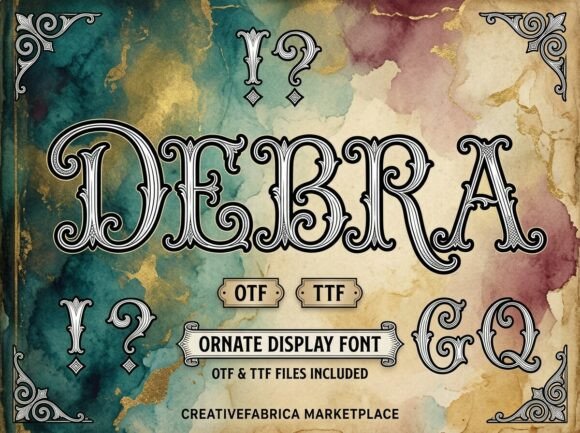
Debra isn't a workhorse body text font; it's a specialist. It's classified as an all-caps display typeface, which immediately tells you about its intended role. Display fonts are the headliners, the attention-grabbers used for titles, logos, and short, powerful phrases. The all-caps nature reinforces this, creating a uniform, bold, and slightly monumental feel. Think of it as the typographic equivalent of a spotlight—designed to illuminate a specific message, not to carry the entire narrative.
Its visual personality is built on unique artistic elements. This isn't a simple geometric or grotesque design. Each letter has been crafted with a strong visual weight and often incorporates subtle decorative touches that give it a handmade, yet polished, quality. This balance is key. It allows the font to feel expressive and creative without sacrificing the professionalism needed for commercial work. The result is a typeface that feels both contemporary and timeless, capable of adding instant character to any project it graces.
Where This Strong Typeface Truly Shines: Practical Applications
The true test of any design asset is how it performs in the real world. Debra's bold character and decorative nature make it exceptionally well-suited for specific applications where making a first impression is critical. Its versatility lies in its ability to adapt its strong personality to different mediums while maintaining its core identity.
For branding and logo design, it's a powerhouse. A logo set in Debra can instantly communicate a brand's personality as artisanal, bold, modern, or luxurious. It works beautifully for boutique businesses, creative studios, fashion labels, or any venture that wants its name to be memorable. Because it's an all-caps display font, it ensures the brand name stands out with authority.
In packaging design, Debra can elevate a product from a shelf item to a desirable object. Imagine it on the label of a small-batch spirits bottle, the box for a handmade candle, or the packaging for a gourmet food product. It adds a layer of perceived value and craftsmanship. Similarly, for posters, event invitations, and editorial layouts—like magazine covers or feature article titles—it provides the necessary visual punch to draw the eye and set the tone.
Digital applications are equally strong. It's perfect for bold headlines on websites and blogs, creating impactful social media graphics for Instagram carousels or Pinterest pins, and designing thumbnails for videos or digital products like e-books and online courses. For marketing assets such as sale banners, email headers, or promotional flyers, its high legibility at large sizes ensures your message gets across clearly and stylishly.
Pairing and Readability: Making Debra Work in Your Design System
Using a display font like Debra effectively requires a bit of strategy. Its strength is its impact, but that means it shouldn't be used for long paragraphs of text. The key to a professional presentation is font pairing. This is the practice of combining two or more typefaces to create hierarchy and visual interest.
A classic and reliable approach is to pair Debra with a clean, neutral sans serif or a simple serif font. For example, you could use Debra for all main headlines and subheads, then use a font like Lato, Open Sans, or even a classic like Garamond for body copy. This contrast ensures that the display font does its job of grabbing attention without overwhelming the reader, while the supporting font ensures comfortable readability for longer text blocks.
Before finalizing any design, it's crucial to test your font pairings in context. Create a mockup of your intended application—whether it's a business card, a social media post, or a website header—and see how the fonts interact. Check the spacing, the contrast in weight, and the overall harmony. Since Debra is all-caps, pay special attention to letter-spacing (tracking) to ensure the words remain legible and don't feel cramped.
What You Receive: The Included Design Assets
When you acquire this typeface, you're getting the tools needed for professional implementation. The package includes the two most essential file formats for modern design work.
- OTF (OpenType Font): This is the professional standard. It offers superior typographic features and is the preferred format for advanced design and layout software like Adobe Illustrator, InDesign, and Photoshop. It's the file you'll use for most creative projects.
- TTF (TrueType Font): This format provides universal compatibility. It ensures the font works seamlessly across virtually all devices and operating systems, from Windows to Mac, and is often required for certain web and desktop applications.
A critical point to remember is the licensing. Always review the license that accompanies any commercial font. Licenses define how you can use the font—whether for personal projects, client work, merchandise, or digital products. Understanding the terms ensures you're using the asset legally and ethically, which is a cornerstone of professional practice.
Choosing the Right Tool for the Creative Job
Selecting a font is a foundational design decision. It's not merely about picking something that looks "cool." It's about matching the typography to your project's goals and audience. Ask yourself: What emotion should this design evoke? Who is this for? What is the core message? A playful handwritten font might suit a children's brand, while a structured serif fits a law firm. Debra occupies the niche for projects that need a bold, artistic, and confident voice.
Think of your design assets, including typefaces, as part of a toolkit. You wouldn't use a hammer to turn a screw. Similarly, using a display font for body text would harm readability and confuse your message. By understanding a font's intended role—its personality and strengths—you can make informed choices that enhance visual consistency, strengthen brand recognition, and ultimately create more engaging and professional work. Debra is that specialized tool for when you need your headline to be more than just words; you need it to be an event.